Well Abandonment - Plug, Abandonment and Decommissioning
Premium Workshop
For PEA Members Only

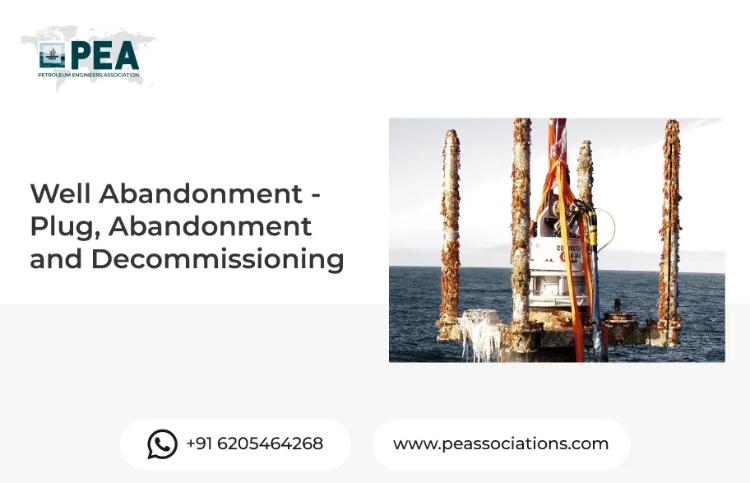
This workshop provides an in-depth overview of well abandonment, focusing on the processes of plugging, abandonment, and decommissioning. Participants will gain insight into regulatory requirements, technical methods, and industry best practices that ensure safety, compliance, and environmental protection during the end-of-life stage of wells.
Workshop Objectives
• Understand the principles and objectives of well abandonment.
• Review regulatory frameworks and international guidelines.
• Examine plugging techniques, barriers, and integrity requirements.
• Explore decommissioning strategies and environmental considerations.
• Strengthen knowledge of risk management and cost optimization in abandonment projects.
About the Presenter
The workshop is conducted by an experienced professional in well engineering, regulatory compliance, and decommissioning projects. Combining technical knowledge with applied field experience, the presenter delivers practical insights into safe, cost-effective, and environmentally responsible well abandonment practices.


Premium Workshop
For PEA Members Only
Produced Water for Upstream Oil and Gas
A focused, practice-led program on managing produced water from wellhead to discharge or reinjection. Participants translate standards and field data into reliable treatment, disposal, and waterflood quality controls that reduce deferment and compliance risk.