Safety Basics in Oil & Gas Industry
Premium Workshop
For PEA Members Only

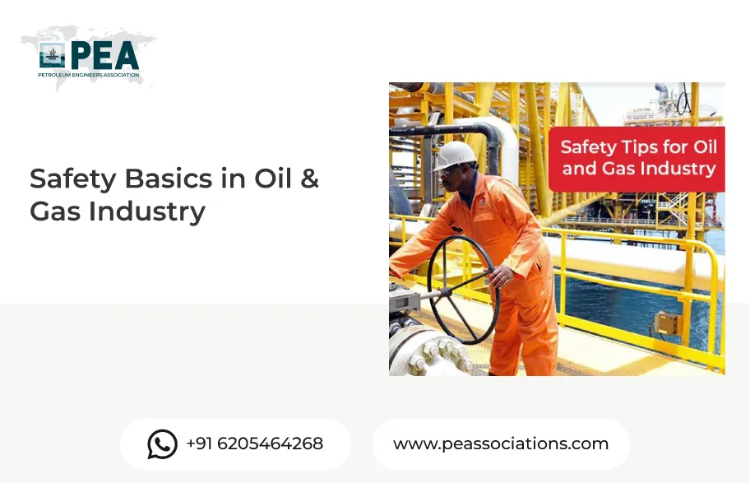
This workshop introduces the core safety principles essential to oil and gas operations. It emphasizes hazard recognition, risk control, and compliance with industry standards to build a strong foundation for safe workplace practices. Participants will develop an understanding of the basic requirements for maintaining a safe and compliant operating environment.
Workshop Objectives
• Recognize common hazards in oil and gas facilities.
• Understand fundamental safety practices and their importance.
• Apply basic risk control measures to reduce workplace incidents.
• Strengthen awareness of regulatory and organizational safety expectations.
About the Presenter
The workshop is delivered by an experienced industry professional in safety management, regulatory compliance, and operational risk control. The presenter combines technical knowledge with practical case insights, equipping participants with actionable strategies to support a strong and sustainable safety culture.

Premium Workshop
For PEA Members Only
Oil & Gas Data Analytics, Visualization & Management
This workshop focuses on advanced data analytics, visualization, and management techniques for oil and gas datasets. Participants will gain hands-on experience with tools and methods to analyze large volumes of operational and reservoir data, create insightful visual dashboards, and manage data efficiently to support informed decision-making in exploration and production.