Rotating Equipment Engineering
Premium Workshop
For PEA Members Only

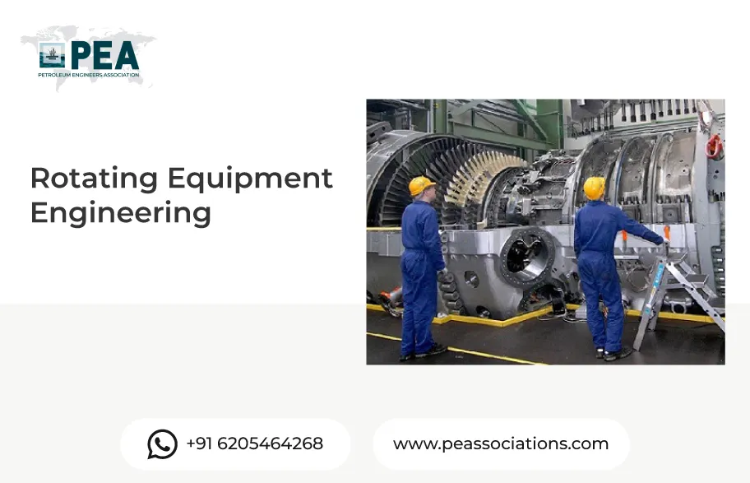
This workshop offers an in-depth understanding of rotating equipment engineering in the oil and gas industry, covering pumps, compressors, turbines, and related machinery. Participants will explore design considerations, performance optimization, reliability strategies, and international standards to ensure safe and efficient operation of critical rotating assets. Practical insights are emphasized to address challenges across the equipment lifecycle.
Workshop Objectives
• Understand the design and operational principles of rotating equipment.
• Apply international codes and best practices to equipment selection and use.
• Analyze performance factors influencing efficiency and reliability.
• Identify common issues in operation, maintenance, and troubleshooting.
• Strengthen technical decision-making for rotating equipment management.
About the Presenter
The workshop is led by a highly experienced industry professional in rotating equipment design, operation, and maintenance within oil and gas facilities. With a background in engineering practice and technical training, the presenter delivers practical, industry-relevant knowledge aimed at enhancing participants’ technical proficiency and problem-solving capabilities.


Premium Workshop
For PEA Members Only
Produced Water for Upstream Oil and Gas
A focused, practice-led program on managing produced water from wellhead to discharge or reinjection. Participants translate standards and field data into reliable treatment, disposal, and waterflood quality controls that reduce deferment and compliance risk.