Principles of Glycol Dehydration
Premium Workshop
For PEA Members Only

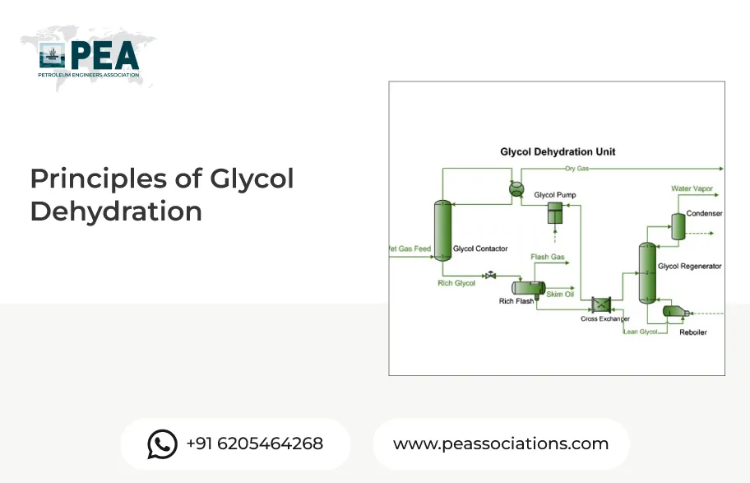
This workshop provides a focused overview of glycol dehydration systems, their role in natural gas processing, and the principles governing their operation. Participants will learn about system design, process flow, and key operational practices to ensure efficiency, reliability, and compliance with industry standards.
Workshop Objectives
• Understand the purpose and process of glycol dehydration in gas treatment.
• Identify major equipment components and their functions.
• Learn operational practices that enhance efficiency and reliability.
• Recognize common challenges and methods for troubleshooting and optimization.
About the Presenter
The workshop is conducted by an experienced industry professional with a strong background in gas processing operations, equipment performance, and safety management. The presenter integrates technical with field experience, offering participants practical knowledge and proven strategies for effective dehydration system operation.





Premium Workshop
For PEA Members Only
Produced Water for Upstream Oil and Gas
A focused, practice-led program on managing produced water from wellhead to discharge or reinjection. Participants translate standards and field data into reliable treatment, disposal, and waterflood quality controls that reduce deferment and compliance risk.