Multiphase Pumping
Premium Workshop
For PEA Members Only

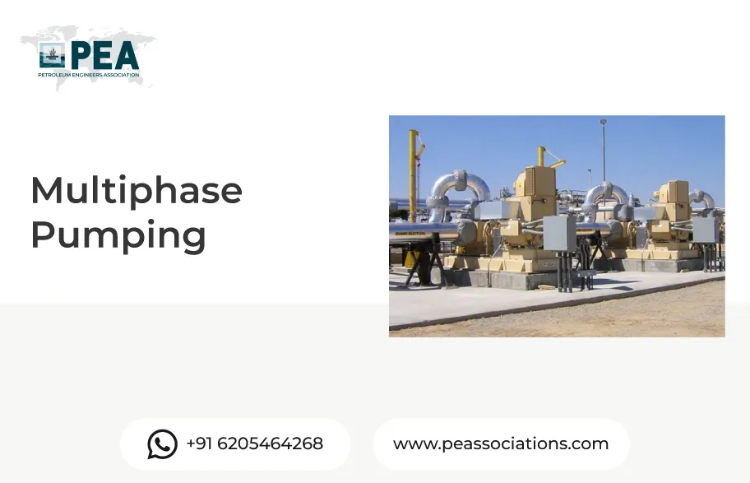
This workshop examines the principles and applications of multiphase pumping in oil and gas production. Participants will explore system design, operational considerations, and performance evaluation, gaining a clear understanding of how multiphase pumping enhances efficiency in transporting oil, gas, and water mixtures.
Workshop Objectives
• Understand the fundamentals of multiphase flow and pumping.
• Review pump types, selection criteria, and design factors.
• Examine system integration and operational challenges.
• Explore methods for monitoring, troubleshooting, and performance optimization.
• Recognize safety and reliability requirements in multiphase pumping applications.• Understand the fundamentals of multiphase flow and pumping.
• Review pump types, selection criteria, and design factors.
• Examine system integration and operational challenges.
• Explore methods for monitoring, troubleshooting, and performance optimization.
• Recognize safety and reliability requirements in multiphase pumping applications.
About the Presenter
The workshop is led by a seasoned professional in production systems and flow assurance. Drawing on a background in engineering design, operations, and training, the presenter provides practical insights into applying multiphase pumping technologies to improve production efficiency and field development strategies.





Premium Workshop
For PEA Members Only
Produced Water for Upstream Oil and Gas
A focused, practice-led program on managing produced water from wellhead to discharge or reinjection. Participants translate standards and field data into reliable treatment, disposal, and waterflood quality controls that reduce deferment and compliance risk.