LNG Technologies & Production
Premium Workshop
For PEA Members Only

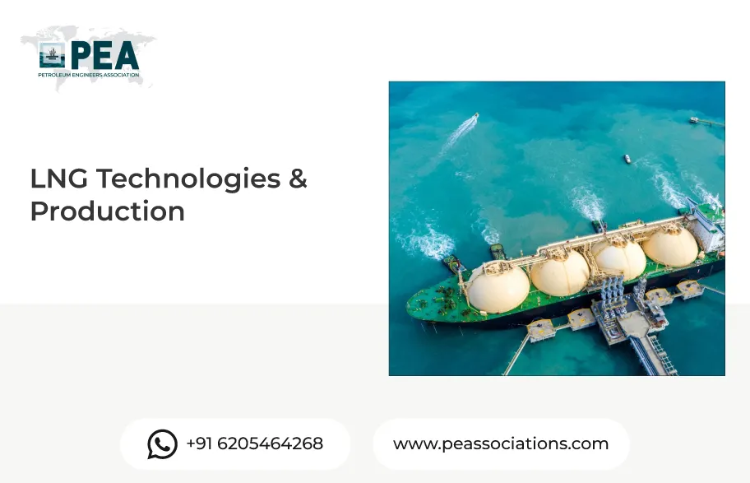
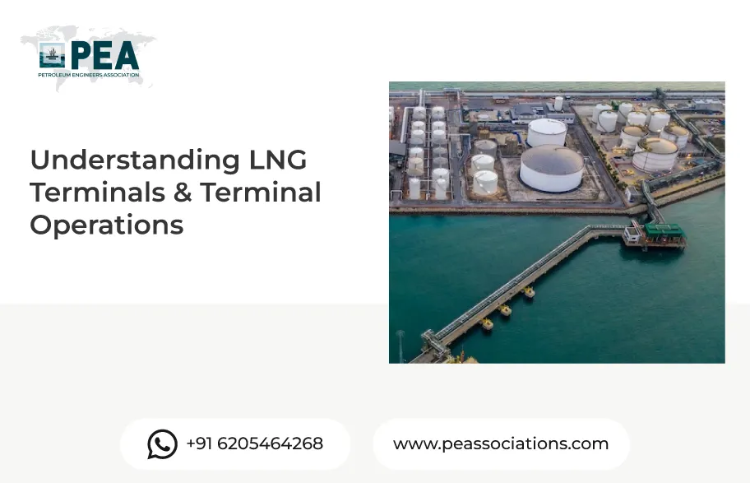
This workshop explores the technologies and processes involved in the production of liquefied natural gas (LNG), from gas treatment and liquefaction to storage and shipping. Participants will gain a practical understanding of LNG plant design, process technologies, safety systems, and operational challenges that define the efficiency and reliability of LNG production.
Workshop Objectives
• By the end of this workshop, participants will be able to:
• Understand the fundamentals of LNG production and liquefaction technologies.
• Evaluate key process units, equipment, and plant configurations.
• Recognize operational, safety, and environmental challenges in LNG facilities.
• Apply best practices to improve efficiency, reliability, and cost performance in LNG production.
About the Presenter
The workshop is led by an LNG process and engineering professional with experience in gas treatment, liquefaction technologies, and plant operations. With a track record of involvement in major LNG projects worldwide, the presenter combines technical with practical insights to deliver actionable knowledge for participants.



Premium Workshop
For PEA Members Only
Produced Water for Upstream Oil and Gas
A focused, practice-led program on managing produced water from wellhead to discharge or reinjection. Participants translate standards and field data into reliable treatment, disposal, and waterflood quality controls that reduce deferment and compliance risk.