LNG Storage and Transportation
Premium Workshop
For PEA Members Only

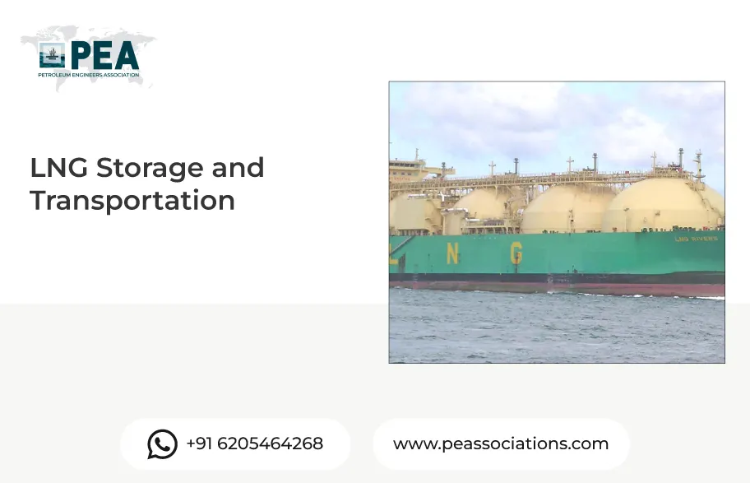
This workshop provides a focused overview of Liquefied Natural Gas (LNG) storage and transportation practices, emphasizing design standards, operational safety, and regulatory requirements. Participants will gain insights into LNG’s unique cryogenic properties, storage technologies, and the logistics of transporting LNG safely and efficiently across global markets.
Workshop Objectives
• Understand the physical and chemical characteristics of LNG relevant to storage and transport.
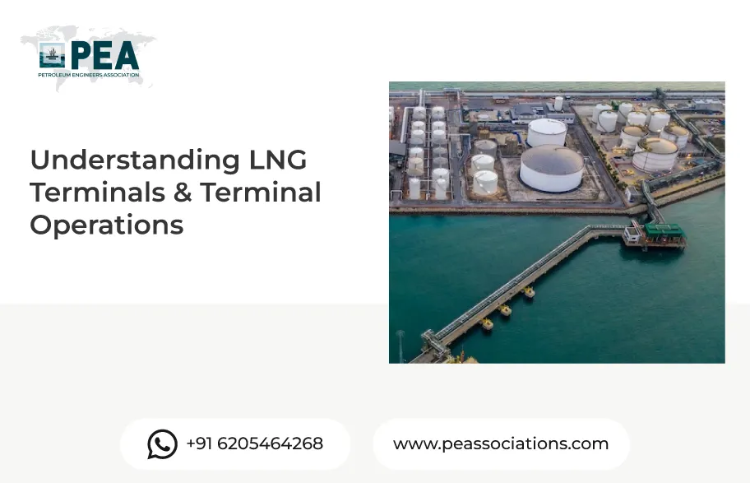
• Examine key storage systems including tanks, terminals, and safety mechanisms.
• Explore transportation methods by land and sea, including pipelines, trucks, and LNG carriers.
• Review international codes, standards, and compliance requirements for LNG handling.
• Identify risk management strategies to enhance operational safety and reliability.
About the Presenter
The workshop will be delivered by an experienced industry professional in LNG operations, facility design, and energy logistics. With a background spanning engineering, safety management, and international project execution, the presenter brings practical knowledge and case-based insights to ensure participants gain both technical understanding and applied skills.


Premium Workshop
For PEA Members Only
Produced Water for Upstream Oil and Gas
A focused, practice-led program on managing produced water from wellhead to discharge or reinjection. Participants translate standards and field data into reliable treatment, disposal, and waterflood quality controls that reduce deferment and compliance risk.