LNG Regasification and End Use
Premium Workshop
For PEA Members Only

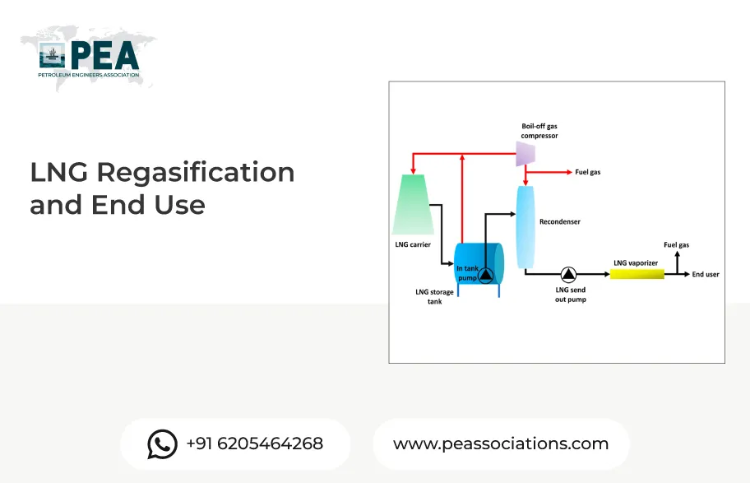
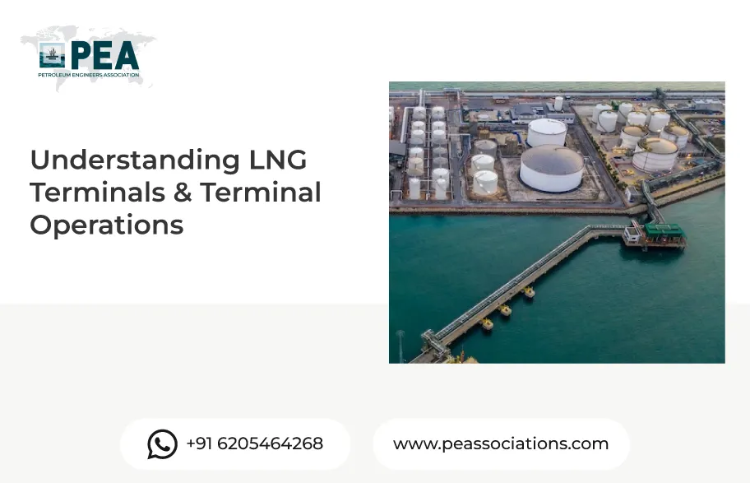
This workshop explores the critical processes of LNG regasification and its integration into downstream applications. It covers terminal design, regasification technologies, and the delivery of natural gas for industrial, commercial, and power generation use. Participants will gain a practical understanding of how LNG is converted back to gas and efficiently supplied to end-users.
Workshop Objectives
• Understand the regasification process and its role in the LNG value chain.
• Examine terminal infrastructure and vaporization technologies.
• Review safety, operational, and environmental considerations in regasification.
• Analyze key end-use sectors including power generation, city gas distribution, and industrial consumption.
• Assess economic and regulatory factors influencing LNG market adoption.
About the Presenter
The workshop will be led by a seasoned professional in LNG terminal operations, gas markets, and energy infrastructure. With a proven track record in technical design, operations, and strategy, the presenter combines deep industry knowledge with practical insights to equip participants with relevant, real-world skills.





Premium Workshop
For PEA Members Only
Produced Water for Upstream Oil and Gas
A focused, practice-led program on managing produced water from wellhead to discharge or reinjection. Participants translate standards and field data into reliable treatment, disposal, and waterflood quality controls that reduce deferment and compliance risk.