LNG Markets, Pricing and Hedging
Premium Workshop
For PEA Members Only

This workshop provides a comprehensive overview of global LNG markets, examining supply-demand dynamics, pricing structures, and risk management strategies. Participants will gain practical insights into LNG trading mechanisms, contract structures, and the use of financial instruments for hedging price volatility in an evolving energy landscape.
Workshop Objectives
• By the end of this workshop, participants will be able to:
• Understand the fundamentals of global LNG market development and trade flows.
• Analyze LNG pricing models, benchmarks, and contractual frameworks.
• Evaluate price risks and market uncertainties in LNG transactions.
• Apply hedging tools and strategies to manage exposure and enhance profitability.
About the Presenter
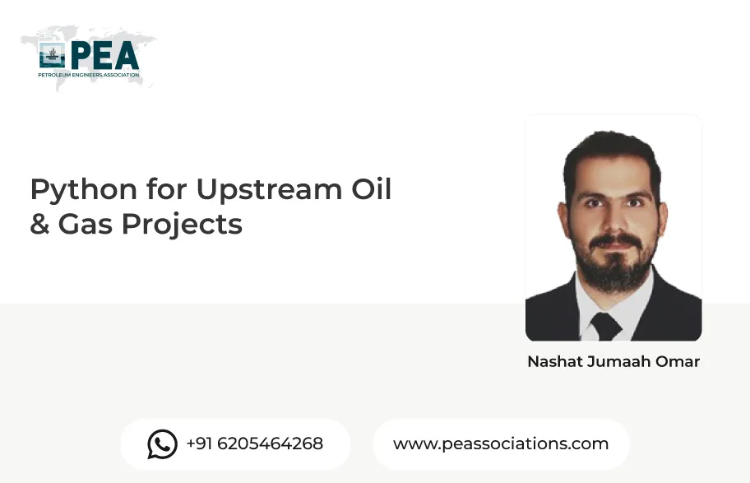
The workshop is delivered by an energy market specialist in LNG trading, pricing, and risk management. With hands-on experience in both commercial operations and market analysis, the presenter combines real-world case studies with practical tools to help participants navigate the complexities of the LNG value chain.



Premium Workshop
For PEA Members Only
Produced Water for Upstream Oil and Gas
A focused, practice-led program on managing produced water from wellhead to discharge or reinjection. Participants translate standards and field data into reliable treatment, disposal, and waterflood quality controls that reduce deferment and compliance risk.