LNG Market and Global Supply Chain
Premium Workshop
For PEA Members Only

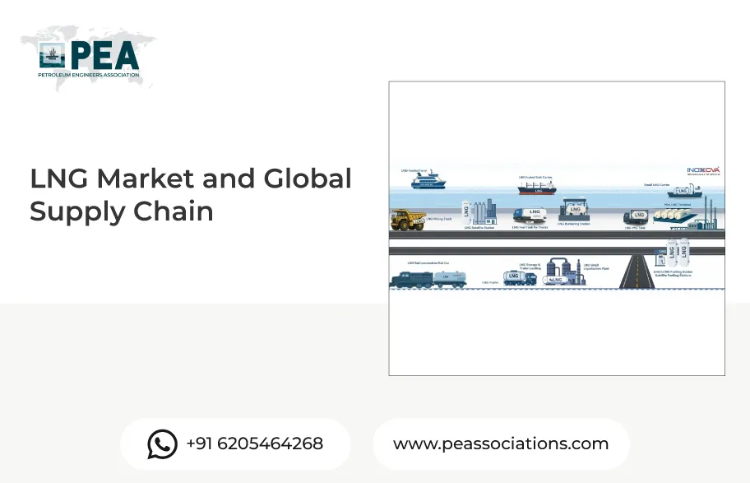
This workshop examines the global LNG market and the complexities of its supply chain, from production and liquefaction to shipping, regasification, and distribution. It highlights market drivers, trade flows, and the evolving role of LNG in meeting global energy demand, while addressing the challenges of supply security and price volatility.
Workshop Objectives
• Understand the structure and dynamics of the global LNG market.
• Analyze major trade routes, supply hubs, and emerging demand centers.
• Review pricing mechanisms, contractual structures, and market trends.
• Explore logistics challenges in LNG shipping, storage, and delivery.
• Assess geopolitical, regulatory, and sustainability factors shaping the LNG supply chain.
About the Presenter
The workshop is led by an experienced energy professional in LNG markets, trading, and global supply chains. Combining technical knowledge with commercial insight, the presenter offers participants a well-rounded perspective on how LNG supply and demand interact across international markets.



Premium Workshop
For PEA Members Only
Produced Water for Upstream Oil and Gas
A focused, practice-led program on managing produced water from wellhead to discharge or reinjection. Participants translate standards and field data into reliable treatment, disposal, and waterflood quality controls that reduce deferment and compliance risk.