Fundamentals of LNG
Premium Workshop
For PEA Members Only

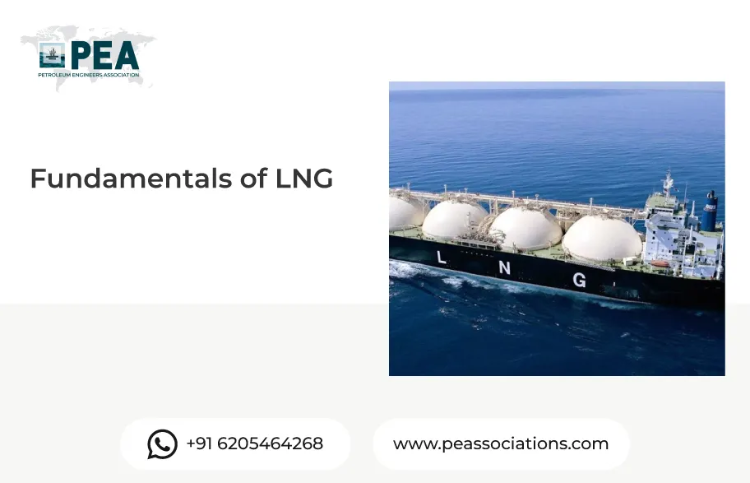
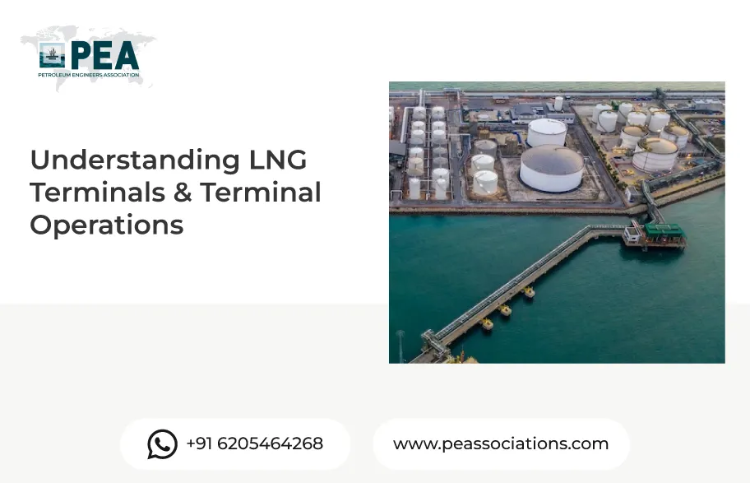
This workshop introduces participants to the fundamentals of liquefied natural gas (LNG), covering the complete value chain from production and liquefaction to storage, transportation, and end-use. It provides a solid grounding in LNG technologies, markets, economics, and safety considerations, offering a balanced mix of technical and commercial perspectives.
Workshop Objectives
• By the end of this workshop, participants will be able to:
• Understand the LNG value chain and its role in global energy markets.
• Explain the basics of LNG production, liquefaction, and regasification.
• Recognize key safety and environmental aspects of LNG operations.
• Appreciate the commercial drivers influencing LNG trade and growth.
About the Presenter
The workshop is delivered by an experienced LNG professional with spanning technical operations and commercial market dynamics. Drawing on practical project and industry knowledge, the presenter offers participants a comprehensive introduction that bridges theory with real-world LNG applications.



Premium Workshop
For PEA Members Only
Produced Water for Upstream Oil and Gas
A focused, practice-led program on managing produced water from wellhead to discharge or reinjection. Participants translate standards and field data into reliable treatment, disposal, and waterflood quality controls that reduce deferment and compliance risk.