Formation Damage: Causes, Prevention, and Remediation
Premium Workshop
For PEA Members Only

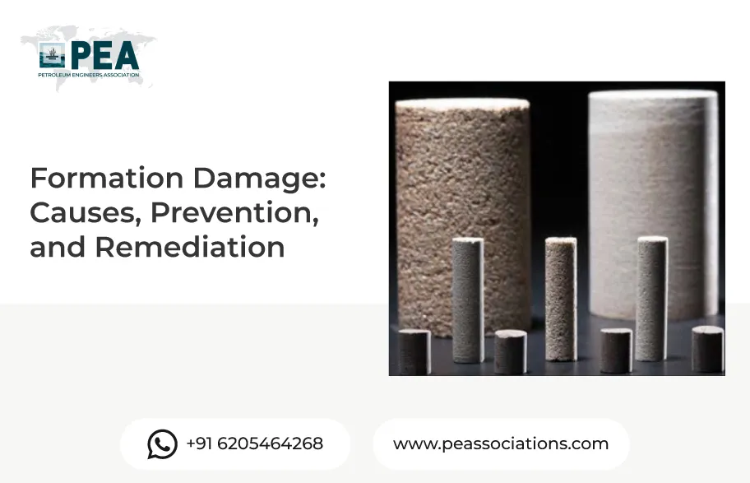
This workshop provides a focused overview of formation damage mechanisms, their impact on well productivity, and effective strategies for prevention and remediation. Participants will gain practical knowledge of diagnostic techniques and engineering solutions to minimize productivity losses and improve reservoir performance.
Workshop Objectives
• Understand the main causes and mechanisms of formation damage.
• Identify formation damage during drilling, completion, and production operations.
• Learn diagnostic methods for detecting and evaluating damage.
• Explore prevention techniques and best practices in field operations.
• Assess remediation methods to restore and sustain well productivity.
About the Presenter
The workshop is delivered by an experienced petroleum engineering professional with a strong background in reservoir management, well performance, and stimulation techniques. The presenter combines technical expertise with real-world field knowledge to provide participants with actionable strategies and industry best practices for addressing formation damage effectively.




Premium Workshop
For PEA Members Only
Produced Water for Upstream Oil and Gas
A focused, practice-led program on managing produced water from wellhead to discharge or reinjection. Participants translate standards and field data into reliable treatment, disposal, and waterflood quality controls that reduce deferment and compliance risk.