Flow Measurement and Custody Transfer
Premium Workshop
For PEA Members Only

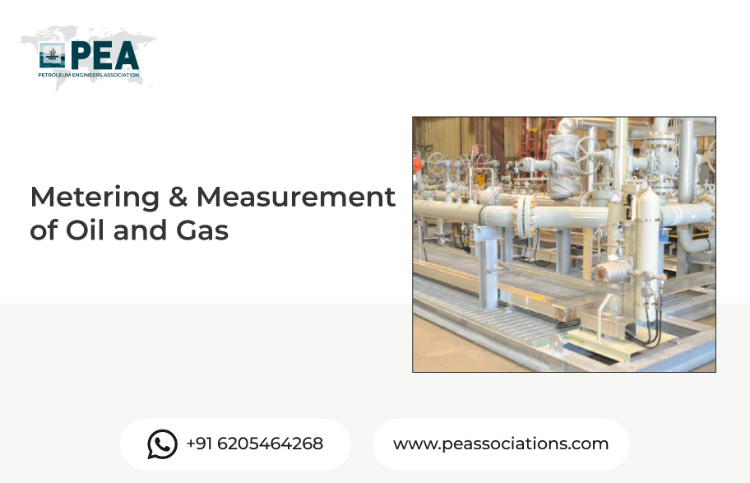
Accurate flow measurement and custody transfer are critical elements in the oil and gas value chain, directly impacting revenue, regulatory compliance, and operational integrity. This workshop provides participants with a comprehensive understanding of the principles, technologies, and standards that govern flow measurement and custody transfer processes. Through a combination of technical insight and practical applications, attendees will gain the knowledge required to ensure accuracy, reliability, and accountability in measurement systems across upstream, midstream, and downstream operations. Key focus areas include emerging metering technologies, calibration practices, international standards, and the mitigation of measurement uncertainties.
Workshop Objectives
By the end of this workshop, participants will be able to:
Explain the fundamental principles of flow measurement and its significance in custody transfer.
Differentiate between measurement technologies such as turbine, ultrasonic, Coriolis, and differential pressure meters.
Interpret and apply international standards (API, AGA, OIML, ISO) relevant to custody transfer.
Recognize common sources of measurement error and implement strategies to minimize uncertainty.
Evaluate calibration and proving practices to ensure system accuracy and regulatory compliance.
Understand the commercial and contractual implications of custody transfer agreements.
Apply best practices in system design, operation, and maintenance to safeguard measurement integrity.
About the Presenter
The presenter is a seasoned industry professional with specialized in flow measurement, metering systems, and custody transfer operations within the oil and gas sector. Their experience spans design, implementation, and auditing of measurement systems across multiple segments of the petroleum value chain. With a strong foundation in both technical standards and commercial practices, the presenter provides a balanced perspective that addresses engineering, regulatory, and contractual considerations. Through a pragmatic and application-focused approach, the presenter equips participants with the knowledge and tools required to enhance measurement accuracy, protect revenues, and maintain operational credibility.




Premium Workshop
For PEA Members Only
Produced Water for Upstream Oil and Gas
A focused, practice-led program on managing produced water from wellhead to discharge or reinjection. Participants translate standards and field data into reliable treatment, disposal, and waterflood quality controls that reduce deferment and compliance risk.