Flare and Snuffing System, Operation, Startup and Shutdown
Premium Workshop
For PEA Members Only

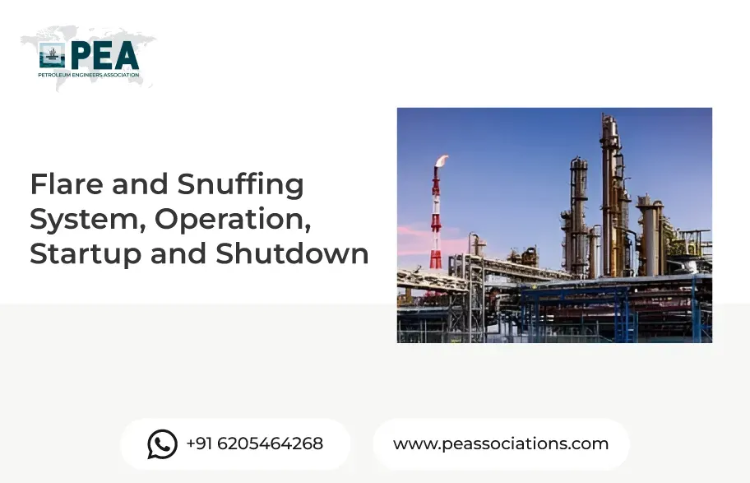
This workshop provides a focused understanding of flare and snuffing systems used in oil and gas facilities. It covers system design, operational principles, and safe procedures for startup and shutdown. Participants will learn how to manage combustion efficiency, handle emergency flaring situations, and maintain system reliability while ensuring compliance with safety and environmental standards.
Workshop Objectives
• Understand the function and components of flare and snuffing systems.
• Learn safe operating procedures for startup, shutdown, and emergency conditions.
• Identify common operational issues and apply effective troubleshooting methods.
• Review best practices for safety, reliability, and environmental compliance.
About the Presenter
The workshop is conducted by an experienced industry professional with a solid background in process operations, plant safety, and production systems. The presenter shares practical insights drawn from field operations to help participants strengthen their technical understanding and operational decision-making.


Premium Workshop
For PEA Members Only
Produced Water for Upstream Oil and Gas
A focused, practice-led program on managing produced water from wellhead to discharge or reinjection. Participants translate standards and field data into reliable treatment, disposal, and waterflood quality controls that reduce deferment and compliance risk.