Acid Gas Treating & Sulfur Recovery
Premium Workshop
For PEA Members Only

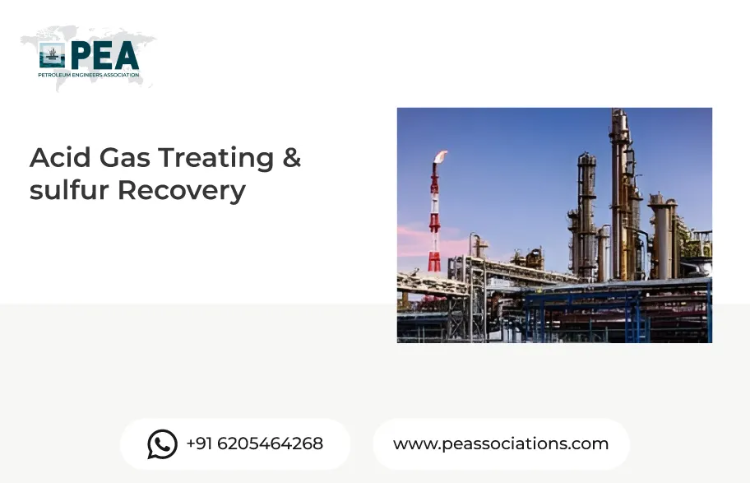
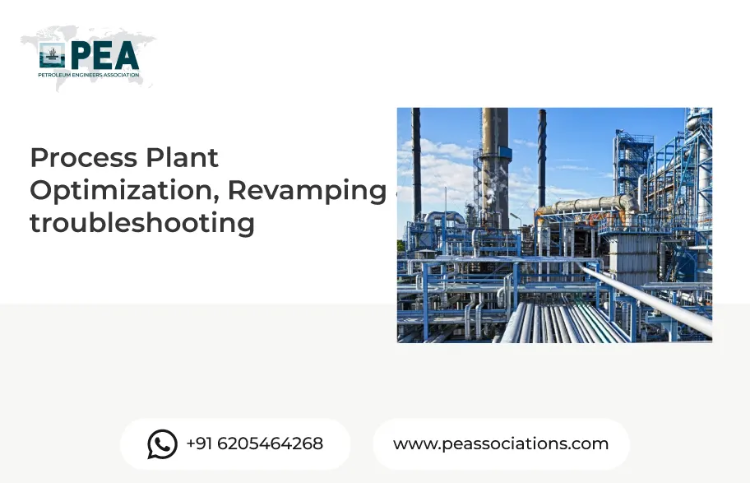
This workshop covers the principles and practical applications of acid gas treating and sulfur recovery in oil and gas operations. Participants will learn about common treating processes, gas sweetening techniques, and sulfur recovery methods, focusing on operational efficiency, safety, and environmental compliance. The session emphasizes process optimization and troubleshooting for sustainable plant performance.
Workshop Objectives
• Understand the fundamentals of acid gas composition and removal methods.
• Learn key gas sweetening and sulfur recovery processes.
• Identify operational challenges and implement effective troubleshooting techniques.
• Review best practices to optimize performance while ensuring safety and compliance.
About the Presenter
The workshop is conducted by an experienced industry professional with a strong background in gas processing, treatment operations, and plant optimization. The presenter shares practical insights from field experience to help participants enhance their operational knowledge and decision-making skills.


Premium Workshop
For PEA Members Only
Oil & Gas Data Analytics, Visualization & Management
This workshop focuses on advanced data analytics, visualization, and management techniques for oil and gas datasets. Participants will gain hands-on experience with tools and methods to analyze large volumes of operational and reservoir data, create insightful visual dashboards, and manage data efficiently to support informed decision-making in exploration and production.